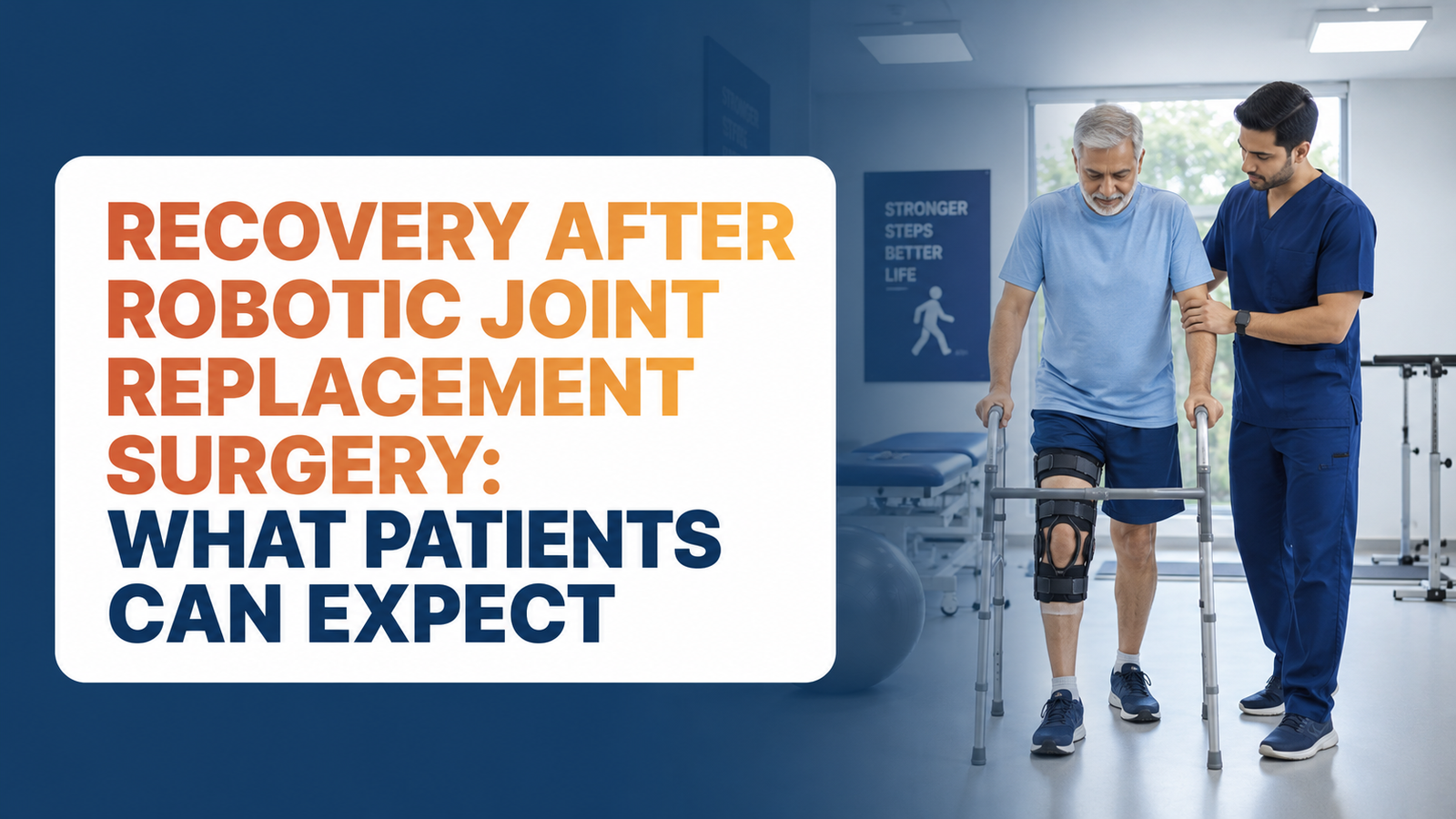
One of the most common questions patients ask before undergoing robotic joint replacement surgery is:
“How long will recovery take?”
The answer depends on several factors, including age, overall health, the condition of the joint before surgery, and adherence to rehabilitation protocols. However, thanks to advances in surgical planning and robotic-assisted technology, many patients today experience a smoother and more structured recovery journey than ever before.
Understanding what to expect can help reduce anxiety and allow patients to prepare confidently for life after surgery.
Robotic joint replacement surgery combines the expertise of an orthopedic surgeon with advanced computer-assisted technology.
Contrary to popular belief, the robot does not perform the surgery independently. The surgeon remains in complete control throughout the procedure. The robotic system provides real-time guidance and precise planning to help optimize implant positioning and alignment.
The goal is accuracy, consistency, and restoration of joint function.
Many patients are surprised by how quickly recovery begins.
In most cases:
Early mobilization is an important part of modern joint replacement recovery because it helps improve circulation, maintain muscle activity, and build confidence.
During the first few days, the focus shifts toward:
Patients are guided through structured physiotherapy exercises designed to gradually restore strength and flexibility.
Some swelling and stiffness are expected during this phase and are a normal part of the healing process.
This is often when patients begin noticing meaningful improvements.
Most individuals experience:
Physiotherapy remains one of the most important components of recovery during this period.
Patients who consistently follow their rehabilitation program often achieve better functional outcomes and regain confidence more quickly.
The timeline varies from patient to patient, but many individuals gradually return to routine activities such as:
Recovery should never be viewed as a race. Every patient’s healing journey is unique. The focus should always be on steady progress rather than speed.
Even the most advanced robotic technology cannot replace the importance of rehabilitation.
Joint replacement surgery creates the opportunity for improved movement, but rehabilitation helps patients maximize that opportunity.
A comprehensive recovery plan typically includes:
Patients who actively participate in rehabilitation often experience better long-term function and satisfaction.
How Much Pain Is Normal?
Some discomfort is expected after surgery. However, modern pain-management protocols help patients remain comfortable and participate actively in rehabilitation.
Pain generally improves gradually as healing progresses.
When Can I Walk Normally?
Many patients begin walking within a day of surgery with support. Independent walking develops progressively over the following weeks depending on individual recovery.
Can I Climb Stairs?
Yes. Stair training is usually introduced as part of the rehabilitation program once it is considered safe.
Will the Recovery Be Faster Because It Is Robotic Surgery?
Robotic-assisted surgery aims to improve surgical precision and implant positioning. Recovery depends on multiple factors, but accurate surgical execution can contribute to a more predictable recovery experience.
Tips for a Smooth Recovery
Patients can support their recovery by:
Consistency often matters more than intensity during rehabilitation.
The Long-Term Goal
The ultimate objective of robotic joint replacement surgery is not simply to replace a damaged joint.
The goal is to help patients return to a more active, comfortable, and independent lifestyle.
Whether it is walking without pain, climbing stairs comfortably, traveling, exercising, or participating in daily activities, successful recovery allows patients to regain confidence in their movement.
Recovery after robotic joint replacement surgery is a journey that begins immediately after the procedure and continues through structured rehabilitation.
While every patient heals at a different pace, modern surgical techniques, personalized physiotherapy, and active patient participation have made recovery more predictable and rewarding than ever before.
With the right guidance, commitment, and rehabilitation plan, most patients can look forward to returning to the activities they enjoy with significantly improved comfort and mobility.
Revolutionizing Joint Replacement with Robotic Precision
*This website is for providing general information only and should not be considered as medical advice or soliciting patients.
**An in-person consultation with the Doctor is adviced before practicing any remedies / recommendations mentioned on this website