

The Best Surgery Is the One That Helps You Recover Faster: Dr. Abhishek Bhalotia’s Perspective on Modern Knee Replacement Choices
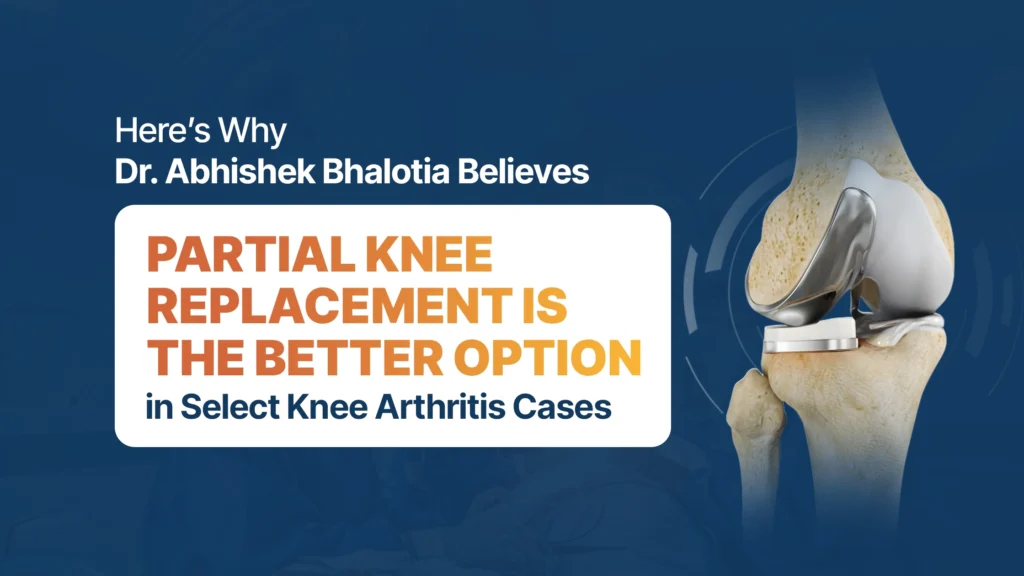
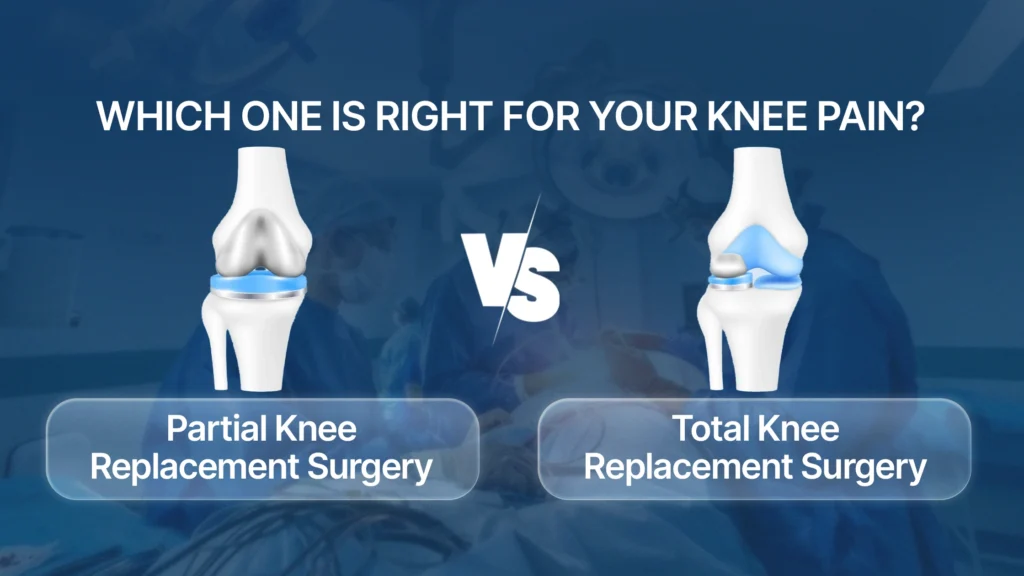
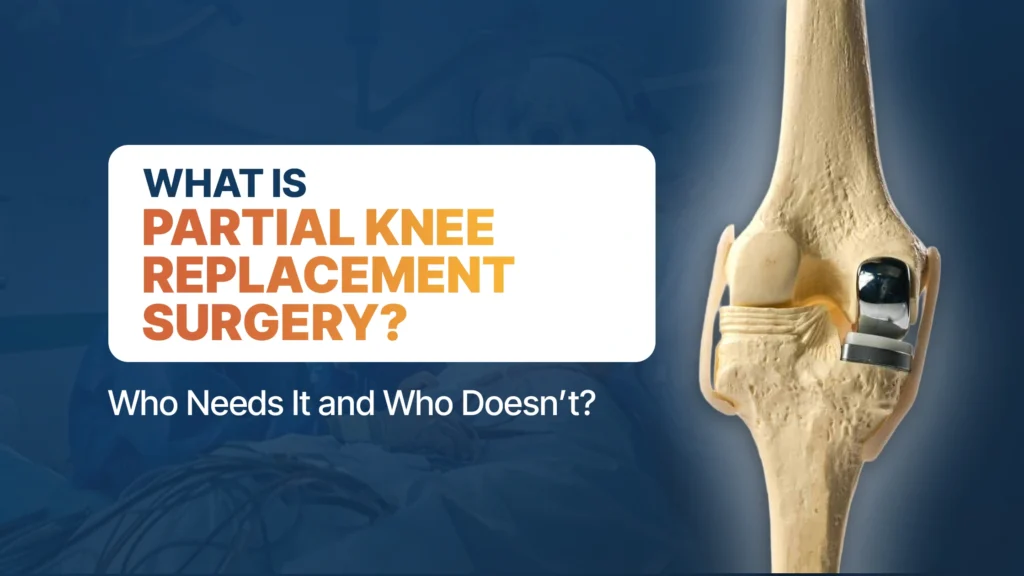
The Best Surgery Is the One That Helps You Recover Faster: Dr. Abhishek Bhalotia’s Perspective on Modern Knee Replacement Choices For most patients considering knee replacement surgery, the biggest concern is not the operation itself — it is life after surgery.How soon will walking begin?How painful will recovery be?How dependent will one be on family members? According to Dr. Abhishek Bhalotia, these are exactly the questions that should guide the choice of surgery. His opinion is clear and consistent:“The best knee replacement surgery is not the biggest or the most aggressive one — it is the one that helps the patient recover faster and return to normal life sooner.” This recovery-first mindset defines how modern knee replacement decisions should be made. Why Recovery Speed Matters More Than Ever Today’s patients are different from those of previous decades. They are: More informed More active More independent Less willing to accept prolonged dependency Focused on quality of life, not just pain relief Dr. Bhalotia believes that knee replacement surgery should be planned not only around joint correction, but also around how the patient will live, move, and function after surgery. The Shift from “Fixing the Knee” to “Restoring Life” Traditional thinking around knee replacement focused on: Removing damaged joint surfaces Replacing them with implants Gradually rebuilding strength over time Modern knee replacement, according to Dr. Bhalotia, focuses on: Preserving healthy structures Minimising surgical trauma Supporting early movement Reducing rehabilitation burden Restoring confidence quickly This shift has led to the adoption of recovery-oriented surgical choices, including partial knee replacement and muscle-sparing techniques where appropriate. Why Bigger Surgery Can Slow Recovery Dr. Bhalotia often explains to patients that larger surgery means more healing. Total Knee Replacement, while highly effective, involves: Removal of more bone Alteration of natural ligaments Greater soft tissue disturbance Longer rehabilitation timelines In patients where arthritis is limited or localised, this level of surgery may: Delay walking confidence Increase stiffness Prolong physiotherapy Extend dependency on caregivers In such cases, recovery may take longer than necessary. How Modern Techniques Improve Recovery Dr. Bhalotia’s approach to knee replacement focuses on choosing techniques that support early functional recovery. These include: Partial Knee Replacement for localised arthritis Muscle-sparing approaches where feasible Patient-specific surgical planning Structured rehabilitation protocols Early mobilisation strategies The objective is not speed for the sake of speed —it is safe, confident, and sustainable recovery. What Faster Recovery Actually Means for Patients According to Dr. Bhalotia, faster recovery is not just about timelines. It is about outcomes that matter in daily life. Faster recovery translates into: Earlier walking with confidence Reduced pain and stiffness Less dependence on walkers or support Shorter physiotherapy duration Quicker return to daily activities Better emotional and psychological well-being Patients who recover faster often feel more in control of their healing journey. Choosing Surgery Based on Recovery Potential Dr. Bhalotia believes that every knee replacement decision should answer one key question: “Which option will help this patient recover better?” This involves evaluating: Extent of arthritis Stability of ligaments Knee alignment Range of motion Patient age and activity level Home support and lifestyle needs A surgery that looks perfect on X-ray but delays functional recovery may not be the best choice for that patient. When Slower Recovery Is Still Acceptable Dr. Bhalotia is clear that recovery speed should not override medical necessity. He prioritises total knee replacement when: Arthritis is widespread Deformity is significant Stability is compromised Pain severely affects quality of life In these cases, a longer recovery is justified because it delivers durable, long-term relief. The key is honesty — explaining to patients why recovery may take longer and why it is still the right decision. Why This Perspective Helps Confused Patients Patients often receive conflicting advice: One doctor recommends total replacement immediately Another suggests waiting Online information creates more confusion Dr. Bhalotia’s recovery-focused opinion gives patients clarity by shifting the conversation from:“Which surgery is bigger?”to“Which surgery helps me get back to life sooner?” Final Thoughts Knee replacement surgery has evolved — and so should the way decisions are made. Dr. Abhishek Bhalotia’s perspective reflects modern orthopaedics: Preserve what is healthy Replace only what is damaged Respect recovery as much as surgery Prioritise patient independence Because in the end, the success of knee replacement is not measured in implants or incisions — it is measured in how quickly and confidently a patient returns to living their life.