
What Are the Risks of Hip Replacement Surgery?
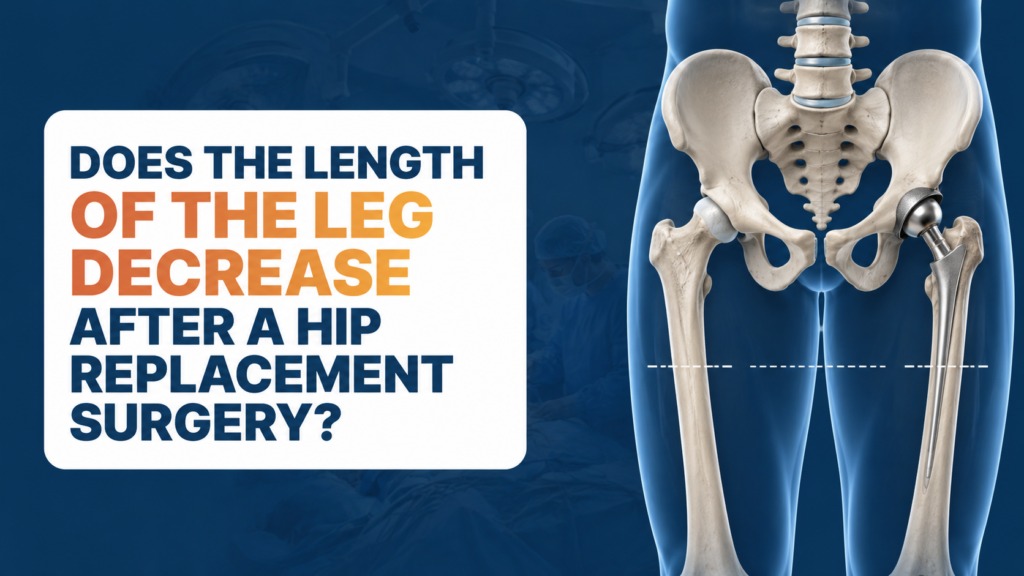
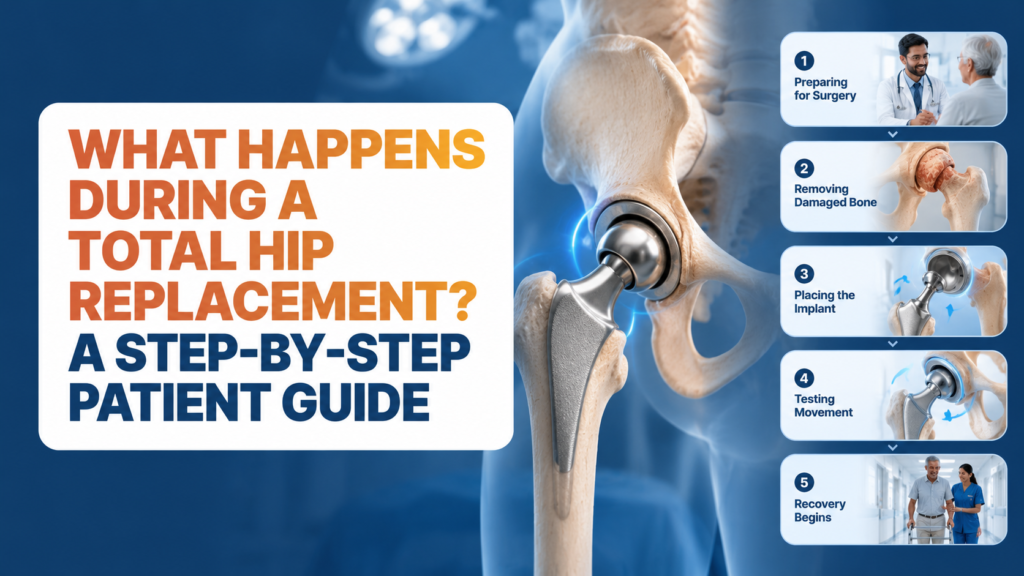
What Are the Risks of Hip Replacement Surgery? Understanding the Possible Risks and Complications of Total Hip Replacement Surgery Hip Replacement Surgery is considered one of the most successful procedures in modern orthopaedics. Thousands of patients undergo Total Hip Replacement Surgery (THR) every year to regain mobility, reduce pain, and improve quality of life. However, like any major surgery, Hip Replacement Surgery also carries certain risks and possible complications. According to Dr. Abhishek Bhalotia, patients should be aware of these risks—not to create fear, but to make informed and realistic decisions before undergoing surgery. This article explains the most important risks associated with Total Hip Replacement Surgery, while also helping patients understand how modern surgical techniques, planning, and rehabilitation protocols help minimise these complications. Is Hip Replacement Surgery Safe? Modern Hip Replacement Surgery is generally considered a safe and highly effective procedure when performed with: Proper patient selection Detailed surgical planning Modern implants Strict infection control protocols Structured rehabilitation Most patients experience significant improvement in pain and mobility after surgery. Still, understanding the possible complications is important for every patient considering THR Surgery. Common Risks of Hip Replacement Surgery 1. Infection After Hip Replacement Surgery Infection is one of the most important concerns in any joint replacement procedure. Although uncommon, infection may occur: Around the surgical wound Deep around the implant Symptoms may include: Fever Persistent swelling Redness Increasing pain Modern hospitals reduce infection risk through: ✔ Modular operation theatres✔ Sterile surgical protocols✔ Antibiotics✔ Strict infection control systems 2. Blood Clots (DVT) After Total Hip Replacement Surgery, reduced movement during the early recovery period may increase the risk of blood clot formation in the legs. This is called: Deep Vein Thrombosis (DVT) To reduce this risk, surgeons commonly recommend: ✔ Early mobilisation✔ Walking after surgery✔ Blood-thinning medications (when needed)✔ Physiotherapy exercises 3. Joint Dislocation In some cases, the artificial hip joint may dislocate if extreme movements or improper positioning place excessive stress on the joint. Risk factors may include: Weak muscles Poor movement precautions Certain high-risk movements Structured rehabilitation and proper movement guidance help reduce this risk significantly. 4. Leg Length Difference Some patients may notice a slight feeling of leg length difference after Hip Replacement Surgery. In most cases: The difference is minimal The body gradually adapts during recovery Surgeons carefully plan implant positioning and joint balance to minimise this possibility. 5. Implant Wear Over Time Modern Hip Replacement Implants are highly durable, but over many years, wear may occur depending on: Activity level Body weight Implant positioning Joint loading patterns Advances in implant technology have significantly improved long-term implant performance. 6. Stiffness After Hip Replacement Surgery Some patients may experience temporary stiffness after surgery. This may occur due to: Delayed physiotherapy Muscle weakness Fear of movement Long-standing stiffness before surgery Early guided rehabilitation plays a major role in restoring movement after THR Surgery. 7. Nerve or Blood Vessel Injury Although uncommon, nearby nerves or blood vessels may rarely be affected during surgery. Experienced surgical planning and careful technique help minimise these risks. 8. Persistent Pain After Surgery Most patients experience significant pain relief after Hip Replacement Surgery. However, some patients may continue to experience discomfort due to: Muscle weakness Spine-related issues Soft tissue imbalance Incomplete rehabilitation This is why post-operative physiotherapy and recovery protocols are extremely important. What Factors Influence the Risk of Complications? Several factors can affect outcomes after Total Hip Replacement Surgery, including: Age Obesity Diabetes Smoking Muscle strength Severity of arthritis Delay before surgery Patients who optimise their health before surgery often recover more smoothly. How Are Risks Reduced in Modern Hip Replacement Surgery? According to Dr. Abhishek Bhalotia, reducing complications begins long before entering the operation theatre. Important preventive measures include: ✔ Detailed pre-operative planning✔ Careful implant selection✔ Structured surgical protocols✔ Modern operation theatre systems✔ Early physiotherapy and mobilisation✔ Guided rehabilitation Modern approaches such as: Muscle-sparing techniques Direct Anterior Hip Replacement (selected cases) may also support faster recovery in appropriate patients. Should Fear of Risks Delay Surgery? Many patients delay Hip Replacement Surgery because they fear complications. However, severe untreated hip arthritis may itself lead to: Muscle weakness Reduced mobility Poor balance Loss of independence More difficult recovery later The decision should always be based on: Clinical evaluation Functional limitation Quality of life not fear alone. Final Thoughts Like every major procedure, Hip Replacement Surgery carries certain risks. However, modern surgical techniques, structured planning, advanced implants, and rehabilitation protocols have made Total Hip Replacement Surgery safer and more predictable than ever before. As Dr. Abhishek Bhalotia explains, the goal is not to ignore risks—but to understand them properly, minimise them through careful planning, and guide patients toward informed treatment decisions. For many patients suffering from severe hip pain and arthritis, Hip Replacement Surgery can significantly improve mobility, comfort, and overall quality of life.