

DrBhalotia - Dr. Abhishek Bhalotia | India’s Leading Robotic Joint Replacement Surgeon - Page 2

Author name: DrBhalotia

Muscle-Sparing Joint Replacement Surgery: A New Era in Orthopedic Care
Blogs

Muscle-Sparing Joint Replacement Surgery: A New Era in Orthopedic Care

Muscle-Sparing Joint Replacement Surgery: A New Era in Orthopedic Care Joint replacement surgeries have evolved tremendously in the last few decades. Today, patients no longer have to fear long hospital stays, prolonged recovery, or significant post-surgical pain. The latest advancement making a huge difference in outcomes is muscle-sparing surgery—a breakthrough approach that offers faster healing and superior results, especially for knee and hip replacements. What is Muscle-Sparing Surgery? Muscle-sparing surgery refers to a surgical technique where the surgeon avoids cutting through major muscles during joint replacement. Instead of detaching or cutting the surrounding muscle tissues, the surgeon carefully navigates through natural gaps between the muscles to access the joint. This is different from traditional surgery, where muscle fibers are often cut or detached to reach the affected joint. By sparing the muscles, the surgery becomes less traumatic for the body, leading to a host of benefits. Who Can Benefit from Muscle-Sparing Surgery? Muscle-sparing techniques are particularly beneficial for patients undergoing: Knee Replacement Surgery (including partial and total knee replacement) Hip Replacement Surgery Revision Joint Replacement Sports Injury Repair These procedures are suitable for both young, active individuals and elderly patients looking for better mobility with less downtime. Key Benefits of Muscle-Sparing Surgery 1. Less Pain After Surgery Since the muscles are preserved and not cut during the procedure, there is significantly less post-operative pain. Patients report lower pain levels both immediately after the surgery and in the weeks that follow. 2. Faster Recovery & Early Mobility One of the standout benefits is the speed of recovery. Patients who undergo muscle-sparing joint replacements are often able to: Walk the same day or next day after surgery Resume daily activities much sooner Spend less time in the hospital Early mobility also reduces the risk of blood clots and other complications. 3. Improved Muscle Function Cutting through muscles can lead to weakness or limited motion even after healing. Muscle-sparing surgery preserves muscle strength and function, leading to better stability and movement in the long term. 4. Smaller Incision, Better Aesthetics These surgeries often require smaller incisions, resulting in: Less scarring Reduced risk of infection Better cosmetic outcomes Smaller incisions also mean less blood loss and shorter operative times. 5. Shorter Hospital Stay Many patients undergoing muscle-sparing knee or hip replacements go home within 24–48 hours, and in some cases, on the same day. This lowers healthcare costs and improves patient comfort. Expertise Matters Muscle-sparing joint replacement requires high-level surgical skill and advanced technology like robotic assistance. Surgeons like Dr. Abhishek Bhalotia, trained in the UK and experienced in over 2,000+ joint replacements, combine cutting-edge technology with precision-based techniques to offer the best possible outcomes. Dr. Bhalotia specializes in robotic, muscle-sparing knee and hip replacements, offering personalized care plans for every patient. His approach ensures high precision, quicker recovery, and minimal disruption to your daily life. Muscle-sparing surgery represents a significant leap forward in orthopedic care. For those suffering from arthritis, chronic joint pain, or mobility issues, this approach offers a less invasive, more efficient path to recovery. With faster rehabilitation, reduced pain, and better functional outcomes, muscle-sparing joint replacements are truly redefining modern-day orthopedics. If you or your loved one is considering joint replacement, explore the benefits of muscle-sparing surgery. Book a consultation with an expert like Dr. Abhishek Bhalotia and take your first step toward pain-free movement and a better quality of life.

How to Maintain Joint Health As You Age
Blogs

How to Maintain Joint Health As You Age: Tips for Lifelong Mobility

How to Maintain Joint Health As You Age: Tips for Lifelong Mobility As we grow older, our bodies go through several changes, and our joints often bear the brunt of aging. The wear and tear of daily movements, reduced bone density, and slower tissue repair can lead to stiffness, pain, and even conditions like arthritis. But aging doesn’t have to mean joint pain or limited mobility. With the right habits, you can keep your joints healthy, strong, and mobile for years to come. Here are expert-backed ways to maintain joint health as you age—so you can stay active, independent, and pain-free. 1. Stay Physically Active – But Smartly Regular exercise keeps your joints lubricated and strengthens the muscles that support them. As we age, staying active is crucial to prevent stiffness and weakness. Best exercises for joint health: Low-impact activities like walking, cycling, and swimming Stretching exercises for flexibility Strength training to support bone and joint stability Yoga or Pilates to improve balance and joint alignment Tip: Avoid high-impact sports that may stress the joints—especially knees and hips—as you get older. 2. Maintain a Healthy Weight Excess weight is one of the biggest risk factors for joint problems, especially in the knees, hips, and lower back. Even a small reduction in weight can significantly lower the pressure on your joints. Every 1 kg of extra body weight adds about 4 kg of pressure on the knees. Shedding 5–10% of your body weight can greatly reduce joint strain and inflammation. 3. Eat for Your Joints A balanced diet rich in joint-friendly nutrients helps reduce inflammation and supports cartilage health. Nutrients that support joint health: Omega-3 fatty acids: Found in fish, flaxseeds, walnuts—help reduce joint inflammation. Calcium & Vitamin D: For bone strength. Found in dairy, leafy greens, eggs, and fortified foods. Vitamin C: Helps in collagen production. Citrus fruits, berries, and bell peppers are great sources. Antioxidants: Found in colorful vegetables and fruits—they protect joints from wear and tear. Tip: Reduce intake of processed foods, sugar, and red meats which can increase inflammation. 4. Stay Hydrated Cartilage—the cushioning tissue in joints—is made mostly of water. Dehydration can lead to reduced joint lubrication, increasing the risk of friction and pain. Aim for 8–10 glasses of water daily. Limit caffeinated and sugary drinks that may cause dehydration. 5. Protect Your Joints in Daily Life Simple actions in your everyday routine can either protect or harm your joints. Be mindful of your movements. Joint protection tips: Use supportive footwear Avoid slouching or staying in the same position for long periods Lift with your knees, not your back Use ergonomic tools if you work at a desk 6. Don’t Ignore Pain or Stiffness Persistent joint pain, swelling, or stiffness should never be ignored. Early intervention can prevent conditions from worsening. Conditions like osteoarthritis, rheumatoid arthritis, and tendonitis are manageable with the right medical care. Delaying diagnosis can lead to irreversible joint damage. If you notice pain during movement or stiffness that lasts longer than 30 minutes in the morning, consult a specialist. 7. Consider Preventive Health Checkups As you age, schedule regular orthopedic checkups—especially if you have a family history of joint issues, or previous injuries. Advanced diagnostics and preventive screenings can catch joint degeneration early, allowing timely intervention. With experts like Dr. Abhishek Bhalotia, you can receive guidance tailored to your joint health, lifestyle, and risk factors. 8. Take Care After Injuries Previous injuries increase the risk of future joint issues, especially in sports or accident-related trauma. Always follow up properly and complete rehabilitation. Incomplete healing can lead to chronic instability, early arthritis, or joint deformities. With modern orthopedic care, including muscle-sparing surgical techniques and personalized physiotherapy, full recovery is possible—even in older adults. Final Thoughts Aging is inevitable—but joint pain doesn’t have to be. By incorporating these healthy habits into your lifestyle, you can enjoy flexible, pain-free movement well into your golden years. The key lies in early awareness, active prevention, and expert care when needed. At United Super Specialty Hospital, Gondia, Dr. Abhishek Bhalotia offers state-of-the-art orthopedic care, from preventive guidance to advanced robotic joint replacements. Whether you’re facing early signs of joint pain or want to maintain lifelong joint health, expert help is just a step away. Your joints support you every day—return the favor by taking care of them!

Pelvic Fractures
Blogs

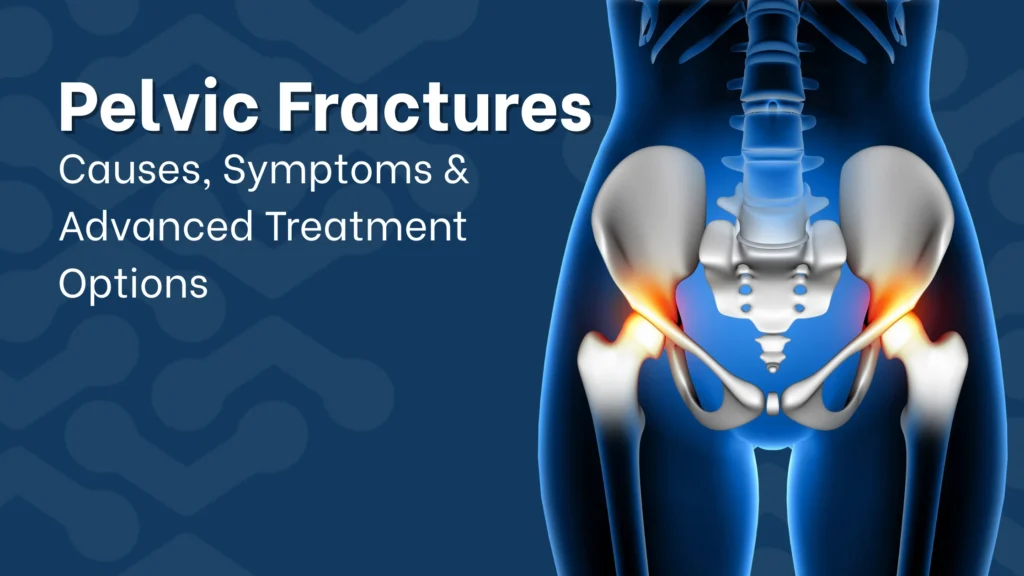
Pelvic Fractures: Causes, Symptoms & Advanced Treatment Options

Pelvic Fractures: Causes, Symptoms & Advanced Treatment Options Pelvic fractures are serious injuries that can greatly impact mobility, daily life, and even organ function if not treated appropriately. The pelvis is a ring-like structure of bones that supports the spine and houses critical organs like the bladder, intestines, and reproductive organs. A fracture in this area—whether due to high-impact trauma or underlying medical conditions—requires immediate attention and expert orthopedic care. What Is a Pelvic Fracture? A pelvic fracture refers to a break in any of the bones that make up the pelvic ring, which includes the ilium, ischium, pubis, and sacrum. These fractures can range from minor, stable injuries to complex, life-threatening conditions depending on the force and area of impact. Common Causes of Pelvic Fractures Pelvic fractures can result from a variety of situations: High-impact trauma: Road accidents, falls from heights, or crush injuries are common causes in younger individuals. Sports injuries: Intense impact during contact sports or extreme physical exertion can cause stress fractures in the pelvic bones. Osteoporosis: In older adults, weakened bones due to osteoporosis can fracture even with low-impact falls or pressure. Pathological fractures: Conditions like bone cancer or infections can weaken the pelvic bones and lead to fractures. Types of Pelvic Fractures Stable Fractures: Only one break in the pelvic ring, bones remain aligned. These often heal without surgery. Unstable Fractures: Two or more breaks with bone displacement. These typically require surgical intervention. Open Fractures: The broken bone pierces through the skin—these are serious and carry a high risk of infection. Acetabular Fractures: Involves the socket of the hip joint, which may affect mobility and require advanced surgical care. Symptoms of a Pelvic Fracture Depending on the severity of the injury, symptoms may vary. Common signs include: Severe pain in the hip, groin, or lower back Inability to walk or stand Swelling or bruising around the pelvic area Difficulty urinating or blood in the urine (if organs are affected) Numbness or tingling in the groin or legs Visible deformity or leg length difference in severe cases If you suspect a pelvic fracture, do not attempt to move the patient—call emergency medical services immediately. Diagnosis Diagnosis typically involves: X-rays: To identify the type and location of the fracture. CT scans: Provide a more detailed view, especially for complex or acetabular fractures. MRI: In cases where soft tissue damage or internal organ involvement is suspected. Treatment Options Treatment depends on the severity, type of fracture, and the patient’s overall health. Non-Surgical Treatment (For Stable Fractures): Bed rest and limited movement Pain management Physical therapy after initial healing Use of walking aids like crutches or walkers Surgical Treatment (For Unstable or Complex Fractures): Internal fixation: Metal plates and screws are used to stabilize the bones. External fixation: Metal rods outside the body are connected to bones to keep them aligned during healing. Joint reconstruction: For acetabular fractures affecting the hip joint, advanced joint reconstruction or even hip replacement may be required. Dr. Abhishek Bhalotia, a UK-trained orthopedic and joint replacement surgeon, specializes in complex trauma surgeries including pelvic and acetabular fracture management. His use of advanced techniques and precision-based interventions ensures reduced complications and faster recovery. Recovery and Rehabilitation Recovery time for pelvic fractures can range from 8 to 12 weeks for stable fractures to several months for more severe injuries. Rehabilitation includes: Gradual weight-bearing exercises Physiotherapy for restoring joint mobility Muscle strengthening to regain balance and coordination Lifestyle modifications and fall prevention tips, especially for elderly patients Prevention Tips While not all pelvic fractures can be prevented, especially in cases of trauma, the following steps can reduce risk: Maintain good bone health with calcium and vitamin D Regular weight-bearing exercises to improve bone density Prevent falls at home—use handrails, remove slippery rugs Wear protective gear during high-risk sports or activities Manage conditions like osteoporosis under medical guidance Final Thoughts Pelvic fractures are serious injuries that demand expert orthopedic attention and timely intervention. From diagnosis to rehabilitation, a patient-centric approach is essential for successful outcomes. With advanced care from specialists like Dr. Abhishek Bhalotia, patients can look forward to safe recovery and restored mobility. If you or a loved one experiences signs of a pelvic injury, don’t delay—consult an orthopedic expert immediately.

Common Sports Injuries and How to Prevent Them
Blogs

Common Sports Injuries and How to Prevent Them

Home About Services Robotic Joint Replacement Surgery Hip Replacement Surgery Knee Replacement Surgery Shoulder Arthroscopy Sports Injury Treatment Trauma & Fracture Care Pain Management Physiotherapy & Rehabilitation TUKSplasty Teleconsultation Success Stories Testimonials Patient Stories Contact Us Appointment Common Sports Injuries and How to Prevent Them Whether you’re a professional athlete or a weekend fitness enthusiast, engaging in sports and physical activities brings numerous health benefits—but it also comes with the risk of injuries. Understanding the most common sports injuries and how to prevent them is the key to staying healthy, active, and injury-free. Orthopedic experts like Dr. Abhishek Bhalotia, a UK-trained orthopedic and sports injury specialist, emphasize that prevention is better than cure, especially when it comes to joint and muscle health. Most Common Sports Injuries 1. Ankle Sprains An ankle sprain occurs when the ligaments that support the ankle stretch or tear, usually due to a sudden twist or roll. Symptoms: Swelling, bruising, pain, and difficulty walking.Common in: Running, football, basketball, and hiking. Orthopedic experts like Dr. Abhishek Bhalotia, a UK-trained orthopedic and sports injury specialist, emphasize that prevention is better than cure, especially when it comes to joint and muscle health. 2. ACL Tear (Knee Ligament Injury) The ACL (Anterior Cruciate Ligament) helps stabilize the knee. Sudden stops or changes in direction can cause a tear. Symptoms: Popping sound, knee instability, swelling.Common in: Soccer, basketball, skiing. 3. Shin Splints Pain along the inner part of the lower leg due to overuse, improper footwear, or poor running technique. Common in: Runners, dancers, and athletes increasing intensity too quickly. 4. Tennis Elbow / Golfer’s Elbow These are overuse injuries affecting tendons in the elbow due to repetitive arm movements. Symptoms: Pain, tenderness around the elbow joint.Common in: Racquet sports, weightlifting, repetitive arm activities. 5. Rotator Cuff Injury The rotator cuff is a group of muscles and tendons that stabilize the shoulder. Overhead motions or trauma can lead to tears or inflammation. Common in: Swimming, tennis, cricket, and throwing sports. 6. Hamstring Strain Hamstring muscles in the back of the thigh can stretch or tear due to poor flexibility or inadequate warm-up. Common in: Sprinting, football, and jumping sports. 7. Stress Fractures Tiny cracks in bones from repetitive impact or overuse, especially in weight-bearing areas like the shin or foot. Common in: Runners, dancers, and athletes with poor bone strength or nutrition. How to Prevent Sports Injuries 1. Warm-Up & Cool Down Never skip a warm-up. Light aerobic exercises and dynamic stretches prepare your muscles and joints for action. Similarly, cooling down reduces muscle soreness and aids recovery. 2. Use the Right Gear Invest in quality shoes, braces, or padding that suit your sport. Ill-fitting or worn-out gear can increase injury risk. 3. Follow Proper Technique Work with coaches or physiotherapists to learn the correct form. Incorrect posture or technique puts unnecessary stress on joints and muscles. 4. Gradually Increase Intensity Don’t push yourself too hard too soon. Increase the duration and intensity of workouts gradually to let your body adapt. 5. Stay Hydrated and Eat Well Proper nutrition and hydration support muscle function and recovery. Include proteins, calcium, and vitamin D to keep your bones and muscles strong. 6. Listen to Your Body Pain is your body’s way of signaling a problem. Don’t ignore persistent discomfort. Rest, apply ice, and consult an orthopedic specialist if needed. 7. Strengthen Supporting Muscles Incorporate exercises that strengthen core and stabilizer muscles to improve balance and reduce strain on joints during sports activities. When to See a Sports Injury Specialist? While minor sprains and muscle pulls can often be treated at home, persistent pain, swelling, or instability may signal a more serious injury. If you’ve experienced repeated injuries, joint instability, or are recovering slowly, consult a specialist like Dr. Abhishek Bhalotia. Dr. Bhalotia offers expertise in sports injury treatment, arthroscopic surgery, and rehabilitation, ensuring that athletes and active individuals can return to peak performance safely and confidently. Final Thoughts Sports injuries are common—but most are preventable with the right knowledge, preparation, and care. Warm up properly, use the correct gear, and don’t ignore early signs of discomfort. And if you do get injured, seek timely evaluation and treatment to avoid complications. Stay strong. Stay active. And always play smart to stay injury-free! Revolutionizing Joint Replacement with Robotic Precision Quick Links Privacy Policy Terms & Conditions Cookies Policy Patient Confidentiality Agreement Blogs Treatments Robotic Joint Replacement Hip Replacement Knee Replacement Pain Management Physiotherapy & Rehabilitation Shoulder Arthroscopy Sports Injury Treatment Trauma & Fracture Care TUKSplasty Social Media Facebook Instagram Youtube DISCLAIMER *This website is for providing general information only and should not be considered as medical advice or soliciting patients.**An in-person consultation with the Doctor is adviced before practicing any remedies / recommendations mentioned on this website Website Designed & Developed by

Scroll to Top