
Author name: DrBhalotia

Pelvic Fractures
Blogs

Pelvic Fractures: Causes, Symptoms & Advanced Treatment Options

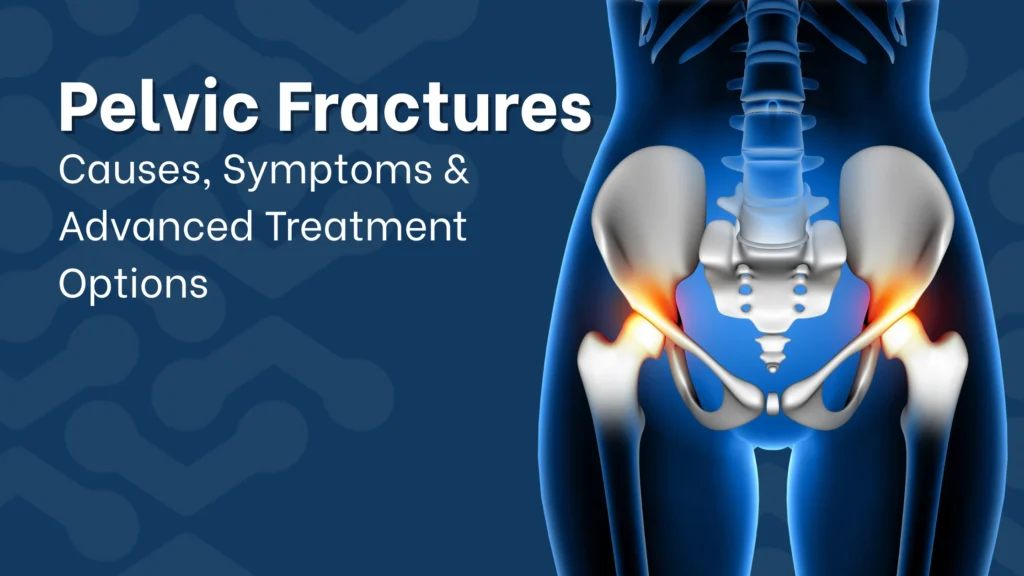
Pelvic Fractures: Causes, Symptoms & Advanced Treatment Options Pelvic fractures are serious injuries that can greatly impact mobility, daily life, and even organ function if not treated appropriately. The pelvis is a ring-like structure of bones that supports the spine and houses critical organs like the bladder, intestines, and reproductive organs. A fracture in this area—whether due to high-impact trauma or underlying medical conditions—requires immediate attention and expert orthopedic care. What Is a Pelvic Fracture? A pelvic fracture refers to a break in any of the bones that make up the pelvic ring, which includes the ilium, ischium, pubis, and sacrum. These fractures can range from minor, stable injuries to complex, life-threatening conditions depending on the force and area of impact. Common Causes of Pelvic Fractures Pelvic fractures can result from a variety of situations: High-impact trauma: Road accidents, falls from heights, or crush injuries are common causes in younger individuals. Sports injuries: Intense impact during contact sports or extreme physical exertion can cause stress fractures in the pelvic bones. Osteoporosis: In older adults, weakened bones due to osteoporosis can fracture even with low-impact falls or pressure. Pathological fractures: Conditions like bone cancer or infections can weaken the pelvic bones and lead to fractures. Types of Pelvic Fractures Stable Fractures: Only one break in the pelvic ring, bones remain aligned. These often heal without surgery. Unstable Fractures: Two or more breaks with bone displacement. These typically require surgical intervention. Open Fractures: The broken bone pierces through the skin—these are serious and carry a high risk of infection. Acetabular Fractures: Involves the socket of the hip joint, which may affect mobility and require advanced surgical care. Symptoms of a Pelvic Fracture Depending on the severity of the injury, symptoms may vary. Common signs include: Severe pain in the hip, groin, or lower back Inability to walk or stand Swelling or bruising around the pelvic area Difficulty urinating or blood in the urine (if organs are affected) Numbness or tingling in the groin or legs Visible deformity or leg length difference in severe cases If you suspect a pelvic fracture, do not attempt to move the patient—call emergency medical services immediately. Diagnosis Diagnosis typically involves: X-rays: To identify the type and location of the fracture. CT scans: Provide a more detailed view, especially for complex or acetabular fractures. MRI: In cases where soft tissue damage or internal organ involvement is suspected. Treatment Options Treatment depends on the severity, type of fracture, and the patient’s overall health. Non-Surgical Treatment (For Stable Fractures): Bed rest and limited movement Pain management Physical therapy after initial healing Use of walking aids like crutches or walkers Surgical Treatment (For Unstable or Complex Fractures): Internal fixation: Metal plates and screws are used to stabilize the bones. External fixation: Metal rods outside the body are connected to bones to keep them aligned during healing. Joint reconstruction: For acetabular fractures affecting the hip joint, advanced joint reconstruction or even hip replacement may be required. Dr. Abhishek Bhalotia, a UK-trained orthopedic and joint replacement surgeon, specializes in complex trauma surgeries including pelvic and acetabular fracture management. His use of advanced techniques and precision-based interventions ensures reduced complications and faster recovery. Recovery and Rehabilitation Recovery time for pelvic fractures can range from 8 to 12 weeks for stable fractures to several months for more severe injuries. Rehabilitation includes: Gradual weight-bearing exercises Physiotherapy for restoring joint mobility Muscle strengthening to regain balance and coordination Lifestyle modifications and fall prevention tips, especially for elderly patients Prevention Tips While not all pelvic fractures can be prevented, especially in cases of trauma, the following steps can reduce risk: Maintain good bone health with calcium and vitamin D Regular weight-bearing exercises to improve bone density Prevent falls at home—use handrails, remove slippery rugs Wear protective gear during high-risk sports or activities Manage conditions like osteoporosis under medical guidance Final Thoughts Pelvic fractures are serious injuries that demand expert orthopedic attention and timely intervention. From diagnosis to rehabilitation, a patient-centric approach is essential for successful outcomes. With advanced care from specialists like Dr. Abhishek Bhalotia, patients can look forward to safe recovery and restored mobility. If you or a loved one experiences signs of a pelvic injury, don’t delay—consult an orthopedic expert immediately.


Common Sports Injuries and How to Prevent Them
Blogs

Common Sports Injuries and How to Prevent Them

Home About Services Robotic Joint Replacement Surgery Hip Replacement Surgery Knee Replacement Surgery Shoulder Arthroscopy Sports Injury Treatment Trauma & Fracture Care Pain Management Physiotherapy & Rehabilitation TUKSplasty Teleconsultation Success Stories Testimonials Patient Stories Contact Us Appointment Common Sports Injuries and How to Prevent Them Whether you’re a professional athlete or a weekend fitness enthusiast, engaging in sports and physical activities brings numerous health benefits—but it also comes with the risk of injuries. Understanding the most common sports injuries and how to prevent them is the key to staying healthy, active, and injury-free. Orthopedic experts like Dr. Abhishek Bhalotia, a UK-trained orthopedic and sports injury specialist, emphasize that prevention is better than cure, especially when it comes to joint and muscle health. Most Common Sports Injuries 1. Ankle Sprains An ankle sprain occurs when the ligaments that support the ankle stretch or tear, usually due to a sudden twist or roll. Symptoms: Swelling, bruising, pain, and difficulty walking.Common in: Running, football, basketball, and hiking. Orthopedic experts like Dr. Abhishek Bhalotia, a UK-trained orthopedic and sports injury specialist, emphasize that prevention is better than cure, especially when it comes to joint and muscle health. 2. ACL Tear (Knee Ligament Injury) The ACL (Anterior Cruciate Ligament) helps stabilize the knee. Sudden stops or changes in direction can cause a tear. Symptoms: Popping sound, knee instability, swelling.Common in: Soccer, basketball, skiing. 3. Shin Splints Pain along the inner part of the lower leg due to overuse, improper footwear, or poor running technique. Common in: Runners, dancers, and athletes increasing intensity too quickly. 4. Tennis Elbow / Golfer’s Elbow These are overuse injuries affecting tendons in the elbow due to repetitive arm movements. Symptoms: Pain, tenderness around the elbow joint.Common in: Racquet sports, weightlifting, repetitive arm activities. 5. Rotator Cuff Injury The rotator cuff is a group of muscles and tendons that stabilize the shoulder. Overhead motions or trauma can lead to tears or inflammation. Common in: Swimming, tennis, cricket, and throwing sports. 6. Hamstring Strain Hamstring muscles in the back of the thigh can stretch or tear due to poor flexibility or inadequate warm-up. Common in: Sprinting, football, and jumping sports. 7. Stress Fractures Tiny cracks in bones from repetitive impact or overuse, especially in weight-bearing areas like the shin or foot. Common in: Runners, dancers, and athletes with poor bone strength or nutrition. How to Prevent Sports Injuries 1. Warm-Up & Cool Down Never skip a warm-up. Light aerobic exercises and dynamic stretches prepare your muscles and joints for action. Similarly, cooling down reduces muscle soreness and aids recovery. 2. Use the Right Gear Invest in quality shoes, braces, or padding that suit your sport. Ill-fitting or worn-out gear can increase injury risk. 3. Follow Proper Technique Work with coaches or physiotherapists to learn the correct form. Incorrect posture or technique puts unnecessary stress on joints and muscles. 4. Gradually Increase Intensity Don’t push yourself too hard too soon. Increase the duration and intensity of workouts gradually to let your body adapt. 5. Stay Hydrated and Eat Well Proper nutrition and hydration support muscle function and recovery. Include proteins, calcium, and vitamin D to keep your bones and muscles strong. 6. Listen to Your Body Pain is your body’s way of signaling a problem. Don’t ignore persistent discomfort. Rest, apply ice, and consult an orthopedic specialist if needed. 7. Strengthen Supporting Muscles Incorporate exercises that strengthen core and stabilizer muscles to improve balance and reduce strain on joints during sports activities. When to See a Sports Injury Specialist? While minor sprains and muscle pulls can often be treated at home, persistent pain, swelling, or instability may signal a more serious injury. If you’ve experienced repeated injuries, joint instability, or are recovering slowly, consult a specialist like Dr. Abhishek Bhalotia. Dr. Bhalotia offers expertise in sports injury treatment, arthroscopic surgery, and rehabilitation, ensuring that athletes and active individuals can return to peak performance safely and confidently. Final Thoughts Sports injuries are common—but most are preventable with the right knowledge, preparation, and care. Warm up properly, use the correct gear, and don’t ignore early signs of discomfort. And if you do get injured, seek timely evaluation and treatment to avoid complications. Stay strong. Stay active. And always play smart to stay injury-free! Revolutionizing Joint Replacement with Robotic Precision Quick Links Privacy Policy Terms & Conditions Cookies Policy Patient Confidentiality Agreement Blogs Treatments Robotic Joint Replacement Hip Replacement Knee Replacement Pain Management Physiotherapy & Rehabilitation Shoulder Arthroscopy Sports Injury Treatment Trauma & Fracture Care TUKSplasty Social Media Facebook Instagram Youtube DISCLAIMER *This website is for providing general information only and should not be considered as medical advice or soliciting patients.**An in-person consultation with the Doctor is adviced before practicing any remedies / recommendations mentioned on this website Website Designed & Developed by

Scroll to Top